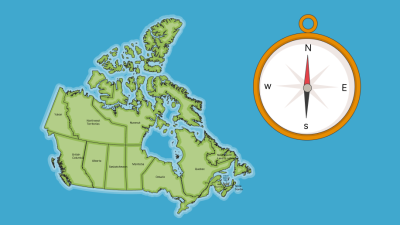
Learn how tipping culture and money customs work around the world before you travel.
Tipping is one of the most misunderstood ways you can show appreciation for services across cultures. After a meal, when the bill arrives, and a familiar question comes up: how much should you tip? The right answer depends on where you are, and the cultural expectations in that location. A gesture that is appreciated in one country may be unnecessary, unexpected, or even awkward in another.
While travelling, understanding these unwritten rules about tipping helps you avoid awkward situations. Keep reading to learn how tipping culture works around the world.
What’s tipping etiquette?

Tipping etiquette is the unwritten social custom of giving extra sums of money to service workers. This culture varies widely across countries and is shaped by local expectations rather than a global standard. In some places, tipping is seen as a normal part of paying for services, especially in hospitality and tourism.
In others, it is not expected at all because service staff are already paid a full wage. There are also destinations where a small tip is appreciated but not needed. However, the challenge comes when these differences in custom are not understood.
5 things you need to know before you tip abroad

Tipping is one of those things that feels simple until it is time for you to do it. A small decision at the end of a service can carry different expectations depending on location and situation. What counts as normal appreciation in one place may be unnecessary elsewhere. These small details matter, especially when you’re in unfamiliar environments.
Here are five truths about tipping culture that every traveller should know:
1. Tipping isn’t a universal language.

The biggest misconception about tipping is that it’s the same everywhere. In reality, countries have developed very different approaches to rewarding service. This approach is influenced by local labour laws, wage structures, and cultural expectations. Here’s a quick look around the world to better understand varied tipping customs:
- Tipping is mandatory in North America: In the United States and Canada, tipping service workers is non-negotiable. Leaving a 15% to 20% tip is generally considered standard.
- Service fees are built into bills across some regions in Europe: Many European countries such as France, Switzerland, Greece and Hungary include service charges in menu prices or restaurant bills. Tips here are viewed as small rewards for excellent service and are not mandatory. So locals often round up the bill or leave a few coins on the table as a gesture of appreciation.
- Tipping is considered rude in certain Asian countries: Exceptional customer service is viewed as part of the job in China, Japan and South Korea. Offering a tip creates an uncomfortable situation for staff, as it implies that the server is underpaid or the business is providing substandard hospitality.
- Scandinavian wages make tipping unnecessary: Countries such as Sweden, Norway, and Denmark typically provide service workers with strong wages and benefits. There’s no tipping expectation, and doing so creates awkwardness.
- Certain African countries have their own tipping culture: While tipping is not formalised or widely expected in many African countries, small tips are usually appreciated but rarely required. Showing appreciation for effort and good service through small gestures is common but not often labelled as a tip.
2. The right tip depends on local culture, not personal preference.
Tipping is often guided by local customs rather than personal generosity. What is considered appropriate varies not just from country to country but also between different services within the same destination. A generous tip in one destination may be considered excessive in another. Understanding local customs often matters more than the amount itself.
For example, tipping 20% may be expected in an American restaurant but seem excessive in parts of Europe where service charges are already included. In some countries, rounding up the bill is perfectly acceptable, while in others, a fixed percentage is the norm. So it’s important for you to follow local practice rather than relying on assumptions.
3. Service charges and tips are not the same thing.
A service charge is an automatic fee added to the bill by a restaurant, hotel, or business. It may cover staff compensation or general service costs and is usually non-negotiable. A tip, on the other hand, is typically a voluntary amount you can leave directly for the server.
It is important you understand the difference between them. In many European destinations, service charges are already included in the final bill, meaning an additional tip is optional. However, in countries with strong tipping cultures, a service charge may not replace the expectation of leaving extra money.
Taking a moment to review the bill can help you know whether a service charge has already been accounted for before adding a tip.
4. Cash and digital payments are changing how people tip.

The way people tip is evolving alongside the way they pay. In many parts of the world, cash is no longer the default payment method, with digital banking becoming increasingly common. As a result, tipping is gradually shifting from coins and banknotes to digital transactions.
That said, this transition, however, isn’t universal. While some businesses offer digital tipping options at checkout, others still prefer cash. In many destinations, carrying a small amount of local currency remains useful, especially for restaurants, hotel staff, and other service workers who may not have access to digital tipping systems.
5. Tipping culture reveals how different societies think about money.

Tipping culture offers a glimpse into how different societies view work, compensation, and the role of money in everyday interactions. The way a country would approach tipping is often influenced by its economic system and cultural values.
For instance, in some countries where tipping is expected, service workers rely heavily on tips to supplement their income. In such countries, you have got a system where individual performance and customer satisfaction influence a worker’s earnings.
In other countries with little or no tipping culture, excellent service is considered a professional standard rather than something that requires additional compensation. These differences show that tipping is about more than etiquette.
Tipping may seem like a small part of spending, but it reveals a lot about the places you visit and the people who live there. What feels normal in one country may be unexpected in another, so it’s important for you to understand how it works. The next time you reach for the bill, remember that the right tip is not always the biggest one; it is the one that respects the customs of where you’re visiting.
These differences are part of what makes international travel and cross-border experiences so interesting. Figuring these unfamiliar money customs takes some adjustment, and having a reliable financial tool like CadRemit makes everything easier, to simplify the money side of your travelling.