Money tips I learnt as a first-time traveller to Europe.
I thought planning my first solo trip to Europe was going to be easy. I calculated my flights, accommodation, attractions, and daily expenses, and I was convinced I had covered everything. But once I arrived, I quickly realised that travel costs extend far beyond what I planned.
Looking back, I didn’t need a bigger travel budget; I just needed to know how money actually works over there. Here are some takeaways you should know before booking that flight.
7 Money lessons from my first solo trip.
It’s easy to assume money works the same way across Europe. I certainly did. But after travelling around, I realised that a few wrong assumptions can cost you both money and convenience. These are the lessons I learnt about planning my first solo trip.
1. Not every European country uses the Euro.
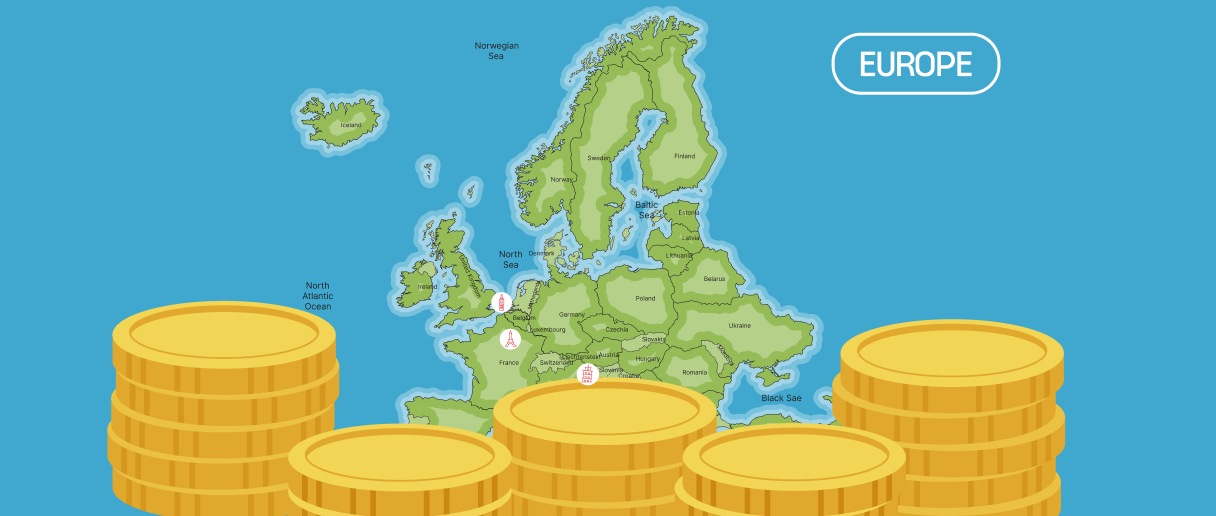
Before my trip, I made the rookie mistake of assuming Europe had a single currency. Since many countries use the euro, I assumed I could rely on it everywhere. While many European countries use the euro, several popular destinations don’t.
Some countries have their own currencies. For example, the UK uses the British pound (£), Switzerland uses the Swiss franc (CHF), Sweden uses the Swedish krona (SEK), Poland uses the Polish złoty (PLN), Denmark uses the Danish krone (DKK), and the Czech Republic uses the Czech koruna (CZK).
Before you travel, check the official currency of every country you intend to visit. If you’re visiting multiple countries, you may need more than one currency, so planning helps you avoid expensive last-minute exchanges.
2. Carry some cash, but not too much.
Europe has become increasingly cashless. In countries like Sweden, Norway, Denmark, Finland, the Netherlands, and the UK, finding places that accept physical cash can be quite a challenge. In many European countries, paying with a debit card, credit card, or mobile wallet is faster and more common than using cash.
That said, don’t leave cash behind completely. A small amount of local currency, usually around €50 to €100 (or the equivalent), is enough for situations where cards aren’t practical. The amount of cash you carry should depend on where you’re travelling.
If you’re travelling from Nigeria, the USA or Canada, you can also use CadRemit to send or spend Euros with payment options we support. That way, you’re not stranded trying to exchange money at the airport, where rates are often less favourable.
3. Get the local currency from your bank before making the trip.
The last thing you want after a long flight is to start searching for an ATM or currency exchange right from the airport. It is important that you have the local currency in hand before you make the trip, and you don’t want to get it at the airport.
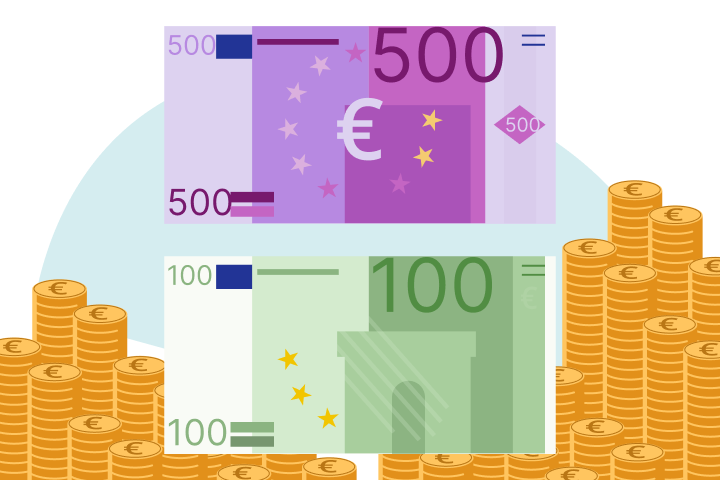
If possible, get the currency through your local bank or post office depending on your location. While at it, ensure you go for smaller denomination notes. You’d be surprised that many local businesses in Europe reject high-denomination notes due to a lack of change, as these currencies are not often seen or used.
4. Avoid airport exchange counters and independent ATMS.
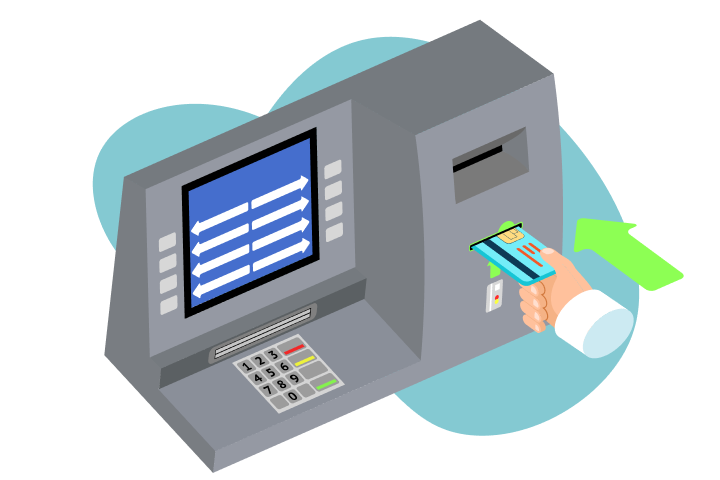
If you must get physical cash while on your trip, avoid airport kiosks, independent ATMs and currency exchange businesses; all these are tourist traps. At first, I assumed every ATM offered roughly the same exchange rate. It didn’t take long to realise that where you withdraw your money matters just as much as how much you withdraw.
These independent ATMs found in tourist areas, airports, convenience stores, and shopping districts often charge higher withdrawal fees while offering poor exchange rates. Instead, withdraw cash from ATMs operated by established local banks whenever possible. They generally offer more competitive exchange rates and lower fees. If you need cash, withdraw enough to reduce the number of transactions without carrying more than you’re comfortable with.
5. Always choose the local currency when paying.
Whether you’re paying in a shop or withdrawing money from an ATM, you may be asked if you’d like to pay in your home currency instead of the local one. Choosing your home currency activates Dynamic Currency Conversion (DCC), which allows the merchant or ATM provider to apply their own exchange rate. This rate is often much less favourable than your bank’s.
Instead, always choose the local currency, whether that’s euros, British pounds, Swiss francs, Swedish kronor, or another local currency. Your bank will usually process the conversion at a better rate.
6. Spend like a local instead of a tourist.
One of my favourite discoveries had nothing to do with exchange rates or bank fees. It was simply watching how locals spent their money. Instead of eating breakfast at your hotel or stopping at cafés next to major attractions, pick up fresh pastries and coffee from neighbourhood bakeries.
Shop at supermarkets for snacks and drinks, take advantage of public transport instead of taxis, and explore local restaurants a few streets away from the busiest tourist spots.
If you’re travelling on a tighter budget, it also helps to look beyond Western Europe. Many destinations in Central and Eastern Europe offer excellent public transport, accommodation, and great food at affordable rates compared to what you’d find in cities like Paris, London, or Zurich.
7. Track your spending every day.
Money disappears surprisingly quickly when you’re paying in different currencies. A coffee here, a metro ticket there, an unplanned museum visit, and suddenly I wasn’t entirely sure where my money had gone. Now, I’d never travel without checking my expenses at the end of each day.
Make sure you get a budgeting app or travel expense tracker before your trip, as it helps you monitor your expenses and stay within budget. Keeping track daily is much easier than finding you’ve overspent halfway through your trip.
If you’re planning your own European adventure, don’t leave your travel finances until the last minute. Asides from planning your itinerary, take time to understand how money works in your destination you want to visit.